

Market Picture
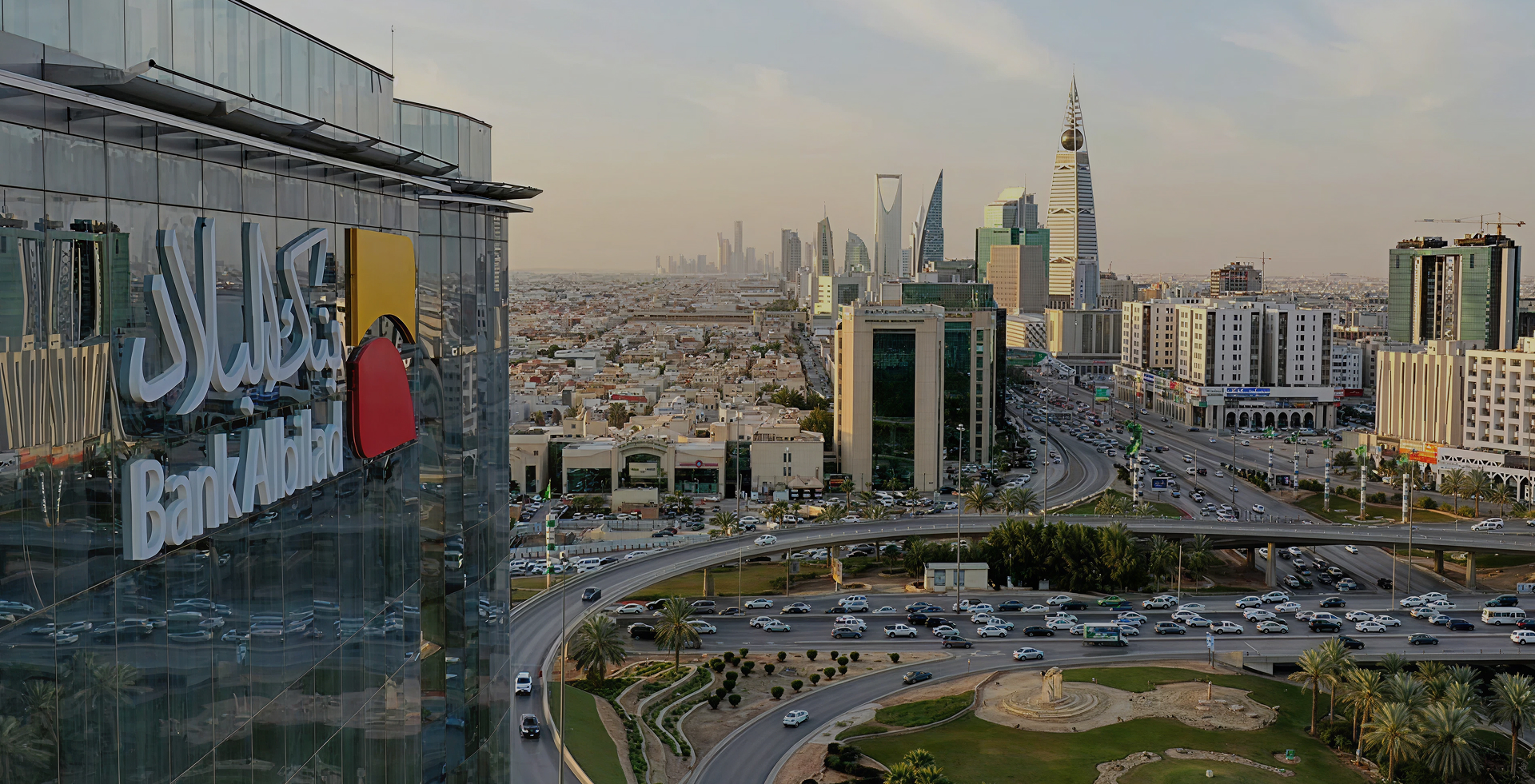
In 2025, Saudi Arabia continued its momentum of diversified growth, with the real GDP expanding by an approximate 3.9% by the second quarter, marking a steady increase from the previous year’s performance.
In 2025
real GDP Growth
FDI inflows surged by
Reaching
This sustained growth was predominantly driven by the successful push toward economic diversification under Vision 2030. Non-oil activities, the primary engine of this transformation, demonstrated exceptional resilience and growth, increasing by 4.7% in Q2 2025, and significantly contributing to the overall national economic expansion.
The Kingdom’s attractiveness to global capital strengthened, reflecting confidence in its prudent fiscal policies and strategic investments. Net Foreign Direct Investment (FDI) inflows surged by 44% in Q1 2025 compared to the same period in the previous year, reaching SAR 22.2 billion (USD 5.9 billion).
This capital was channeled into key sectors like finance, technology, and advanced infrastructure projects, including the continuous development of giga-projects. The overall strategy, as guided by the Financial Sector Development Program (FSDP), is to create an economy that is more resilient, internationally connected, and positioned for long-term, sustainable growth. The data for the first half of 2025 confirms a structural shift in the Saudi economy, with non-oil sectors driving the majority of growth and a substantial increase in FDI inflows, underscoring the success of national economic diversification and reform efforts.
Sectoral Contributions and Financial Strength
The non-oil private sector further solidified its position as the largest contributor to the economy in 2025, with specific sectors posting high growth rates.
Notably, the Financial, Insurance, and Business Services activities recorded a significant annual growth rate of 7% in Q2 2025, highlighting the success of regulatory reforms and investment in the sector.
This financial sector growth was supported by the rapid evolution of the FinTech landscape. Furthermore, the total number of licensed FinTech companies reached 261 in 2024 (exceeding initial targets), demonstrating a vibrant environment for innovation in payments, lending, and wealth management.
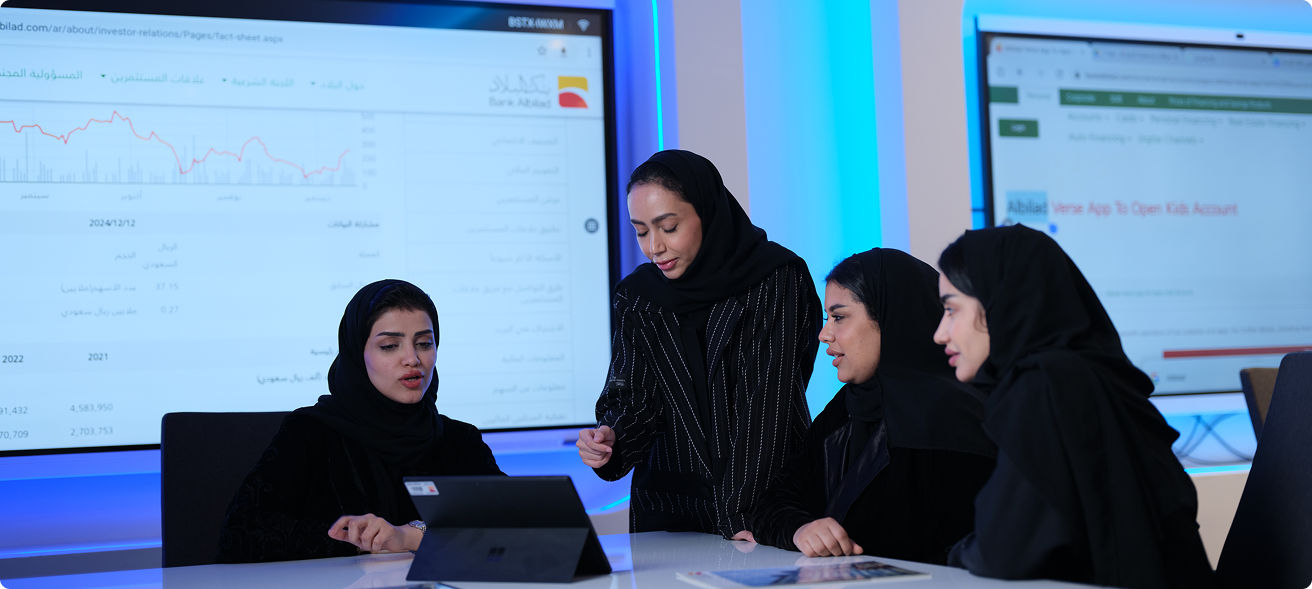
Other non-oil sectors, such as Wholesale and Retail Trade, Restaurants, and Hotels, also registered strong growth at 6.6% in Q2 2025,
benefiting from increased domestic activity and continued growth in the tourism and commerce sectors. the non-oil private sector further solidified its position as the largest contributor to the economy in 2025, with specific sectors posting high growth rates. Notably, the Financial, Insurance, and Business Services activities recorded a significant annual growth rate of 7% in Q2 2025, highlighting the success of regulatory reforms and investment in the sector.
The sectoral data reveals that financial services and technology are now primary growth drivers.
The robust expansion in FinTech, supported by SAMA's proactive regulatory framework, is fundamentally reshaping the financial market, increasing efficiency, and accelerating financial inclusion.
Focus on Digital Transformation
and Open Banking
Digital transformation remains a central pillar of the Kingdom’s economic strategy, heavily supported by the Ministry of Communications and Information Technology (MCIT) and the FSDP's FinTech Strategy.
Investments continued to flow into advanced technologies like AI, cloud computing, and cybersecurity to build a knowledge-intensive economy. The local Information Technology (IT) market remains among the world’s most developed, with a focus on localizing technology and increasing the workforce's digital skills.
A key focus for 2025 is the continued implementation of Open Banking initiatives. SAMA is spearheading the development of the necessary regulatory and technical infrastructure to enable seamless and secure data sharing between banks and third-party FinTech providers.
This move is expected to unlock a new wave of competition and customized financial product offerings, accelerating the digital customer experience and driving further innovation in the financial sector.
The prioritization of digital infrastructure and Open Banking in 2025 positions Saudi Arabia at the forefront of the regional digital economy. For financial institutions, this represents a crucial opportunity to leverage advanced technologies and new regulatory frameworks to enhance competitiveness and deliver next-generation banking services.


GDP Sovereign Net Foreign
Assets (by 2027)
Credit Ratings Outlook
Leading credit agencies affirm Saudi Arabia's strong sovereign credit profile amid ongoing diversification. Moody's maintains an Aa3 rating with stable outlook, projecting real GDP growth of 4.1% in 2025 and 4.5% in 2026, driven by robust non-oil activity from large-scale projects, private consumption, and low unemployment.
Fitch upholds A+ with stable outlook, highlighting large sovereign net foreign assets at 35.3% of GDP by 2027 and fiscal reforms enhancing resilience to oil volatility, supporting sustained non-oil growth.
Bank Albilad aligns with this positive trajectory through its stabilized A1 credit rating as of mid-2025, reflecting improved risk management and digital innovations amid sector reforms. These ratings underscore a resilient economic future, positioning the Bank to capitalize on diversification for sustained competitiveness and growth.
Aligning with National Advancements
In line with the rapid and innovative advancements across Saudi Arabia, Bank Albilad continues its role as a key contributor to the realization of Vision 2030.
In line with the rapid and innovative advancements across Saudi Arabia, Bank Albilad continues its role as a key contributor to the realization of Vision 2030. The Bank’s commitment to digital leadership, particularly in embracing new regulatory frameworks like Open Banking, aligns directly with the nation's objectives for a technologically advanced and financially inclusive economy.
Operating within a thriving market, the Bank remains focused on leveraging advanced technologies, deepening partnerships with FinTechs, and delivering next-generation banking services that create customer value and support the Kingdom’s sustainable growth trajectory.



Strategic Review
